Meta Title: How to Save Money in South Africa – 25 Practical Money-Saving Tips (2026)
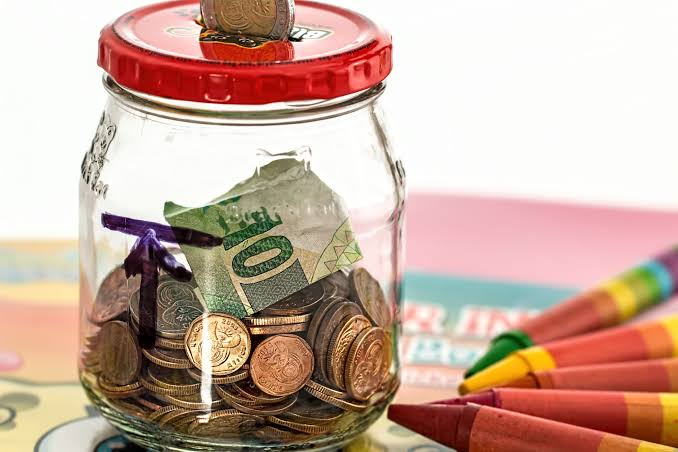
Meta Description: Discover 25 practical ways to save money in South Africa. Learn budgeting, smart shopping, reducing bills, and building long-term financial security.
URL Slug: how-to-save-money-south-africa
Focus Keyword: Save Money South Africa
How to Save Money in South Africa: 25 Practical Tips to Build Wealth
Introduction
Saving money has become increasingly important for South Africans as the cost of living continues to rise. Higher prices for groceries, fuel, electricity, housing, healthcare, and education can make it challenging to set money aside each month. Despite these pressures, developing good saving habits can improve your financial security and help you prepare for future goals.
Whether you’re saving for an emergency fund, a home deposit, a family holiday, your children’s education, or retirement, every rand you save today can make a meaningful difference over time.
The key to successful saving isn’t necessarily earning more—it often starts with managing what you already have more effectively. Small changes in daily spending can add up to substantial savings over months and years.
This guide shares practical money-saving strategies that are realistic for South African households and can help you build healthier financial habits.
Why Saving Money Matters
Saving money provides more than just a growing bank balance. It creates financial stability and gives you greater flexibility when unexpected expenses arise.
Benefits of saving include:
- Greater financial security
- Reduced dependence on debt
- Less financial stress
- Better preparation for emergencies
- More opportunities to invest
- Improved retirement planning
- Increased financial independence
Even modest monthly savings can grow significantly when maintained consistently.
Tip 1: Create a Realistic Monthly Budget
A budget is the foundation of every successful savings plan.
Start by listing:
- Monthly income
- Fixed expenses
- Variable expenses
- Savings goals
Tracking your spending helps identify areas where you can reduce unnecessary costs.
Tip 2: Pay Yourself First
Instead of saving whatever remains at the end of the month, transfer money into your savings account as soon as you receive your income.
Automating this transfer can help make saving a regular habit.
Tip 3: Track Every Expense
Many people underestimate how much they spend on small purchases.
Keep a record of expenses such as:
- Coffee
- Snacks
- Takeaways
- Online subscriptions
- Entertainment
- Parking
- Convenience purchases
Reviewing your spending each month often reveals opportunities to save.
Tip 4: Reduce Grocery Costs
Groceries are one of the largest monthly expenses for many families.
Ways to save include:
- Plan meals in advance.
- Shop with a list.
- Compare prices between stores.
- Buy seasonal produce.
- Purchase store-brand products where appropriate.
- Avoid shopping while hungry.
- Buy non-perishable items in bulk when they offer genuine savings.
Tip 5: Cut Electricity Costs
Electricity costs continue to affect household budgets across South Africa.
Simple ways to reduce usage include:
- Switching off lights when leaving a room
- Using LED light bulbs
- Unplugging unused appliances
- Running full loads in washing machines
- Limiting geyser usage where practical
- Improving home insulation
Lower electricity consumption can lead to noticeable monthly savings.
Tip 6: Save on Fuel
Fuel is another major household expense.
You can reduce fuel costs by:
- Planning errands efficiently
- Maintaining correct tyre pressure
- Avoiding unnecessary idling
- Carpooling where possible
- Driving smoothly instead of accelerating aggressively
- Keeping your vehicle properly serviced
Tip 7: Avoid Impulse Buying
Impulse purchases can quickly derail a savings plan.
Before buying non-essential items:
- Wait 24–48 hours.
- Ask yourself whether the purchase is necessary.
- Compare prices from multiple retailers.
- Consider whether the item fits within your budget.
Often, delaying a purchase helps reduce unnecessary spending.
Tip 8: Review Monthly Subscriptions
Many households pay for subscriptions they rarely use.
Review services such as:
- Streaming platforms
- Gym memberships
- Mobile apps
- Cloud storage
- Magazine subscriptions
Canceling unused subscriptions can free up money for savings.
Tip 9: Build an Emergency Fund
Unexpected expenses are a normal part of life.
Examples include:
- Medical bills
- Vehicle repairs
- Home maintenance
- Job loss
- Family emergencies
Aim to build an emergency fund that can cover several months of essential living expenses. If that’s not immediately possible, start with a smaller goal and increase it gradually.
Tip 10: Set Clear Savings Goals
Saving becomes easier when you know exactly what you’re working toward.
Examples include:
- Buying a home
- Starting a business
- Paying for education
- Taking a holiday
- Buying a vehicle
- Building retirement savings
Break larger goals into monthly targets to make progress easier to measure.
Tip 11: Use Cash for Certain Expenses
For discretionary spending such as entertainment or dining out, using cash instead of cards can make it easier to stay within your budget because you can see exactly how much you have left to spend.
Tip 12: Compare Insurance and Banking Fees
Review your insurance premiums and banking fees each year. Comparing products may help you identify opportunities to reduce recurring expenses while maintaining appropriate cover and services.